
By Kelsey Stein – on March 16, 2016 at 9:52 AM, updated March 16, 2016 at 10:31 AM
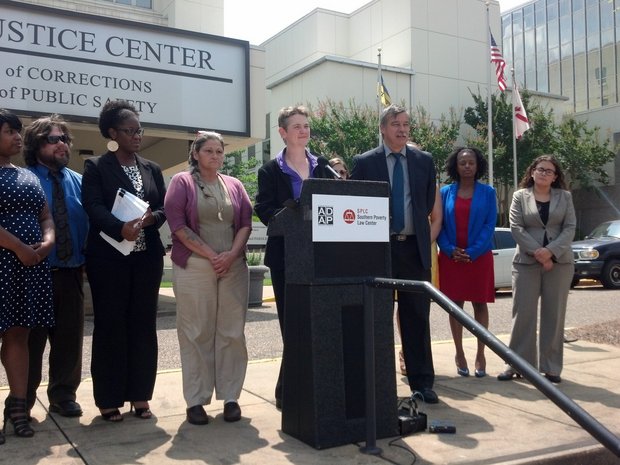
Alabama inmates with disabilities will soon receive the necessary treatment and services, under a recent agreement between the Southern Poverty Law Center and the Alabama Department of Corrections.
SPLC filed a lawsuit in June 2014 claiming that state officials knew about problems within the system but had not acted to bring conditions to a “humane and constitutional” level. The plaintiffs include 40 named inmates who offer details about their individual encounters with inadequate health care.
The agreement outlines steps ADOC will take to ensure compliance with the Americans with Disabilities Act. A monitor will oversee the implementation of the agreement’s provisions.
“This agreement is an important commitment by the Alabama Department of Corrections to address the discrimination and hardship these prisoners have faced for far too long,” said Maria Morris, SPLC senior supervising attorney. “Prisoners with disabilities must have an opportunity to serve the sentence they have received – not the sentence they must endure because the state fails to respect their legal rights.”
 Montgomery Women's Facility
You must be logged in to post a comment.