
By JOHN GRISHAM and published here
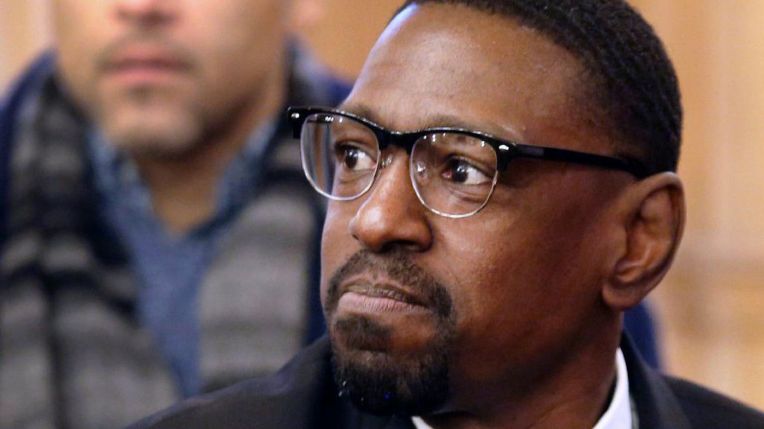
It is too easy to convict an innocent person.
The rate of wrongful convictions in the United States is estimated to be somewhere between 2% to 10%. That may sound low, but when applied to a prison population of 2.3 million, the numbers become staggering. Can there really be 46,000 to 230,000 innocent people locked away? Those of us who are involved in exoneration work firmly believe so.
Millions of defendants are processed through our courts each year. It’s nearly impossible to determine how many of them are actually innocent once they’ve been convicted. There are few resources for examining the cases and backgrounds of those claiming to be wrongfully convicted.
Once an innocent person is convicted, it is next to impossible to get them out of prison.
Once an innocent person is convicted, it is next to impossible to get them out of prison. Over the past 25 years, the Innocence Project, where I serve on the board of directors, has secured through DNA testing the release of 349 innocent men and women, 20 of whom had been sent to death row. All told, there have been more than 2,000 exonerations, including 200 from death row, in the U.S. during that same period. But we’ve only scratched the surface.
Wrongful convictions happen for several reasons. In no particular order, these causes are:
Bad police work
Most cops are honest, hard-working professionals. But some have been known to hide, alter or fabricate evidence, lie on the witness stand, cut deals with snitches in return for bogus testimony, intimidate and threaten witnesses, coerce confessions or manipulate eyewitness identifications.
Prosecutorial misconduct
Most prosecutors are also honest, hard-working professionals. But some have been known to hide exculpatory evidence, encourage witnesses to commit perjury, lie to jurors, judges and defense lawyers, use the testimony of bogus experts or ignore relevant evidence beneficial to the accused.
False confessions
Most jurors find it impossible to believe that a suspect would confess to a serious crime he didn’t commit. Yet the average citizen, if taken to a basement room and subjected to 10 consecutive hours of abusive interrogation tactics by experienced cops, might be surprised at what they would say. Of the 330 people who were exonerated by DNA evidence between 1989 to 2015, about 25% gave bogus confessions after lengthy interrogations. Almost every one recanted soon after.
 Montgomery Women's Facility
You must be logged in to post a comment.