The Cost Of Mass Incarceration

Prison system costs now account for 1 out of every 15 state general fund discretionary dollars. Criminal justice is the second-fastest-growing category of state budgets, behind only Medicaid, and 90 percent of that spending goes to prisons. We are wasting trillions of dollars on an ineffective and unjust criminal justice system. We have more effective tools for preventing and responding to crime than prisons.

Alternatives To Incarceration

Problems like mental illness, substance use disorders, and homelessness are more appropriately addressed outside of the criminal justice system altogether. Services like drug treatment and affordable housing cost less and can have a better record of success. It’s time we got serious about pulling our money out of incarceration and putting it into systems that foster healthy communities.

With almost 50% of prisoners in federal prison for a drug offense and multitudes of severely mentally ill people imprisoned, it is time for the criminal justice system to begin exploring alternatives to incarceration.
Continue reading

Women and the Criminal Justice System

Over the past 30 years, the number of women and girls caught in the criminal justice system has skyrocketed. Many have been swept up in the War on Drugs and subject to increasingly punitive sentencing policies for nonviolent offenders. There are now more than 200,000 women behind bars and more than one million on probation and parole.

Many of these women struggle with substance abuse, mental illness, and histories of physical and sexual abuse. Few get the services they need. The toll on women, girls, and their families is devastating.

Furthermore, the overincarceration and overconviction of women has devastating effects on them and their families because of the barriers women face as a result of their criminal records. These barriers include employment discrimination (compounded by the trend among employers of conducting background checks), exclusions from certain occupations (including some traditionally dominated by low-income women, such as home health care and childcare), exclusions from housing, and bans on receiving public assistance.

The ACLU is working to reduce the overincarceration of women and girls, ensure equal rights and dignity while in confinement, and eliminate barriers imposed as a result of having a criminal record.

CRUEL CONFINEMENT: ABUSE, DISCRIMINATION AND DEATH WITHIN ALABAMA’S PRISONS | SOUTHERN POVERTY LAW CENTER

Publication June 04, 2014

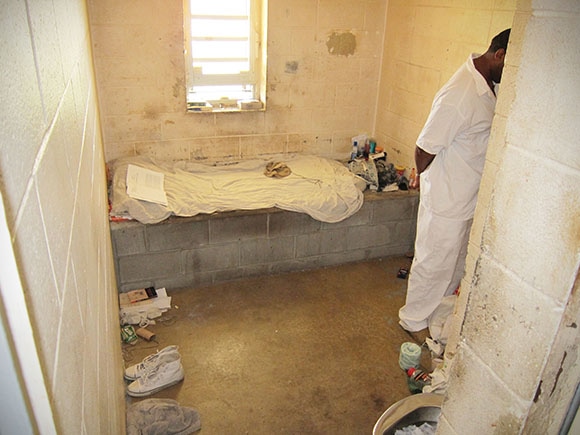
An investigation by the Southern Poverty Law Center (SPLC) and Alabama Disabilities Advocacy Program (ADAP) has found that for many people incarcerated in Alabama’s state prisons, a sentence is more than a loss of freedom. Prisoners, including those with disabilities and serious physical and mental illnesses, are condemned to penitentiaries where systemic indifference, discrimination and dangerous – even life-threatening – conditions are the norm.

Executive Summary

An investigation by the Southern Poverty Law Center (SPLC) and Alabama Disabilities Advocacy Program (ADAP) has found that for many people incarcerated in Alabama’s state prisons, a sentence is more than a loss of freedom. Prisoners, including those with disabilities and serious physical and mental illnesses, are condemned to penitentiaries where systemic indifference, discrimination and dangerous – even life-threatening – conditions are the norm.

The Alabama Department of Corrections (ADOC) is deliberately indifferent to the serious medical needs of the prisoners in its custody. Inspections of 15 Alabama prisons, interviews with well over 100 prisoners and a review of thousands of pages of medical records, depositions and media accounts – as well as the policies, contracts and reports of the department and two major contractors – lead to one inescapable conclusion: Alabama’s prisons violate federal law protecting people with disabilities and the U.S. Constitution’s ban on “cruel and unusual punishments.”