
By Kira Fonteneau, Jefferson County Public Defender
On March 18, 1963, in “Gideon v. Wainwright,” the United States Supreme Court recognized that people who are charged with crimes are entitled to legal counsel even if they cannot afford to pay for it themselves. By upholding the constitutional right to an attorney, the Court empowered the justice system as a whole.

“Our state and national constitutions and laws have laid great emphasis on procedural and substantive safeguards designed to assure fair trials before impartial tribunals in which every defendant stands equal before the law,” declared Justice Hugo Black, an Alabama native, in the court’s opinion. “This noble ideal cannot be realized if the poor man charged with crime has to face his accusers without a lawyer to assist him.”
Since Gideon, a generation of lawyers and other professionals have worked tirelessly to defend clients who would otherwise be crushed under the weight of the criminal justice system.
As lawyers who represent the poor in Alabama, we know that many people have mixed feelings about the role criminal defense lawyers play in society. It can be hard for the public to separate an individual from the grievous crimes he is accused of by the government. All too often, that societal distrust of alleged criminals is extended toward the people who defend them. As a result, there is a natural tendency to downplay the importance of providing a quality defense to those who are accused.
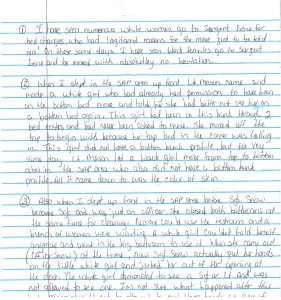
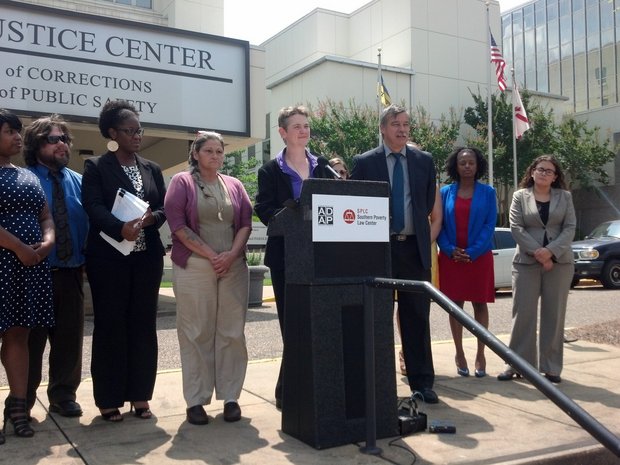


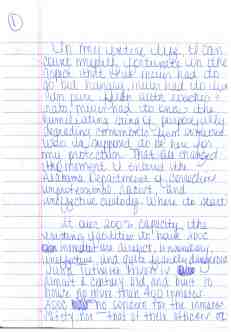

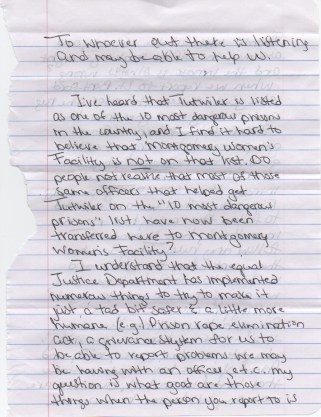
 Montgomery Women's Facility
You must be logged in to post a comment.